UNCITRAL

United Nations Commission on International Trade Law

UNCITRAL is the principal commission of the United Nations in the field of international trade law. Formed in 1966 by the United Nations General Assembly, it plays a key role in developing a sound international legal framework to harmonize the flow of international trade and investment by promoting the use and adoption of legislative and non-legislative instruments in key areas of trade law.

It seeks to reduce the disparity between national laws so as to facilitate trade and capital exchanges.
What does UNCITRAL do?

UNCITRAL works on modernizing rules for international business, making them increasingly fluid and systematic through the drafting of legal texts such as conventions, model laws, and legislative guides. All these texts aim to create a systematic and stable legal dimension for international trade, addressing issues such as commercial contracts, dispute resolution, insolvency, and e-commerce.

Election of Member States in UNCITRAL?

The Commission consists of 70 Member States elected by the UN General Assembly for a six-year term. The 70 member states are elected on the basis of equitable geographic representation and seeking to represent the major economic systems. States not elected as members may participate as observers, along with interested international organizations and NGOs.

Why is UNCITRAL fundamental?

UNCITRAL plays a crucial role in facilitating international trade by providing a common legal framework that reduces the legal issues and transaction costs associated with cross-border trade. Its work is particularly beneficial to developing countries, which without this body would face significant barriers to participation in global trade. In this way, UNCITRAL promotes global economic development and international cooperation.

Composition and working method

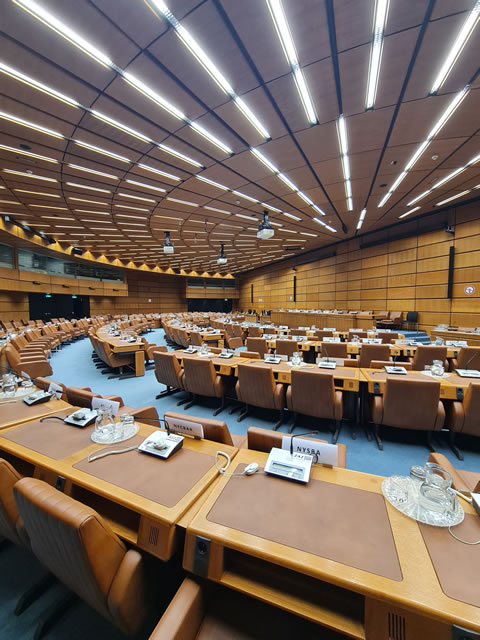
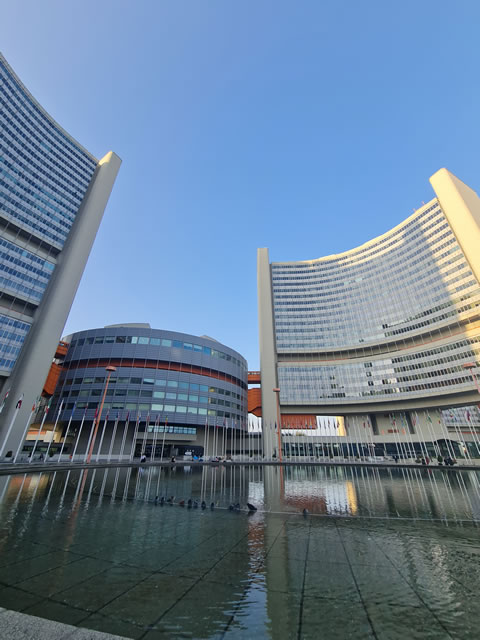
The Commission works through several annual sessions held at the United Nations headquarters in New York and the International Center in Vienna. Each of the Commission's working groups holds one or two sessions a year, depending on the subject matter. Member states, observers, and international organizations can participate in the discussions and contribute to the decision-making processes.